
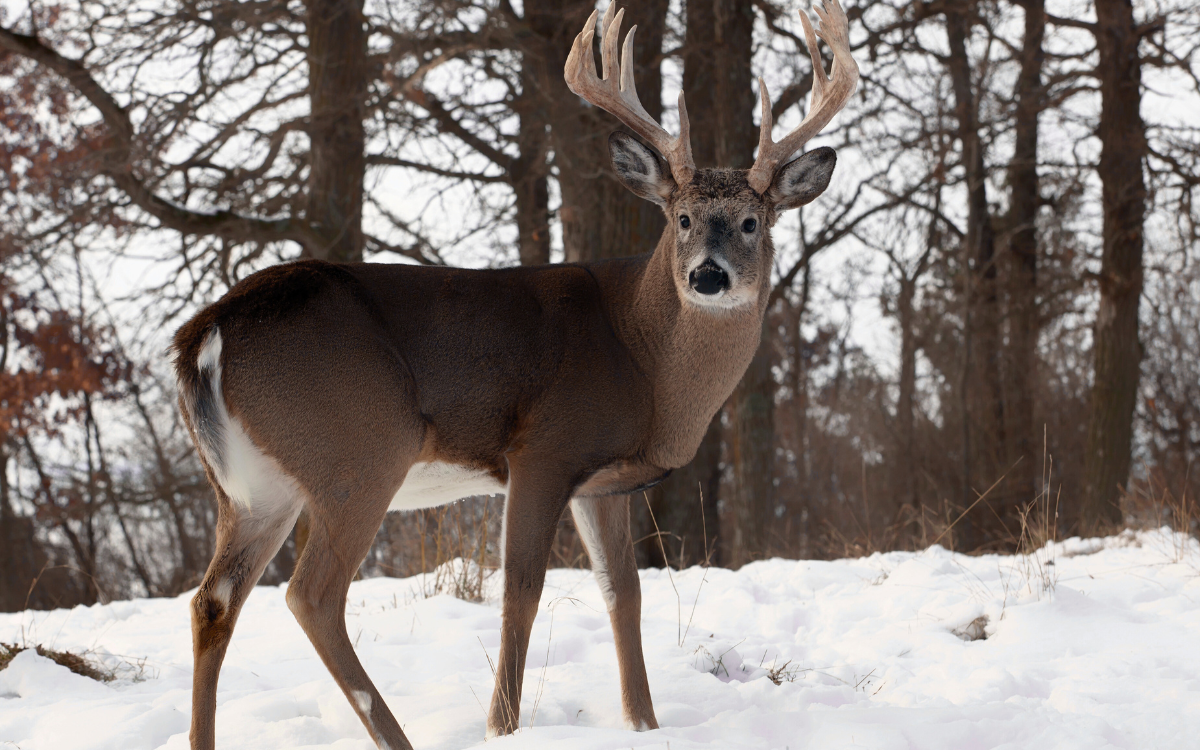
In Southwest Oklahoma, thoughtful land conservation plays a key role in improving wildlife habitat while supporting long-term land value. With the region’s mix of native grasslands, cropland, river bottoms, and timbered cover, well-managed properties consistently attract buyers seeking hunting, recreational use, or investment potential.
Why Conservation Matters in Southwest Oklahoma
Whitetail deer, turkey, quail, and other game species rely heavily on quality habitat management in this region. Enhancing food availability, cover, and water sources helps create more consistent wildlife activity, making properties more appealing to hunters and land buyers who value functional, well-maintained acreage.
Conservation Practices That Enhance Habitat and Value
Native Grass and Habitat Management
Maintaining native grasses and managing grazing pressure improves bedding cover and nesting habitat for wildlife while preserving the land’s natural balance.
Food Plot and Crop Integration
Strategically placed food plots and agricultural fields provide critical nutrition and help concentrate wildlife movement throughout the property.
Water Source Development and Maintenance
Ponds, creeks, and seasonal water features are essential in Southwest Oklahoma. Proper maintenance increases wildlife use and enhances overall land functionality.
Access, Fencing, and Trail Planning
Well-planned access routes and fencing allow for efficient land management and hunting while minimizing pressure on core habitat areas.
Brush Management and Invasive Control
Selective brush control encourages native forage growth, improves visibility, and enhances both wildlife habitat and property aesthetics.
Why Buyers Value Conservation-Focused Land
Buyers in Southwest Oklahoma are increasingly looking for properties that are already managed and ready to enjoy. Land with established conservation practices often draws stronger interest, supports multiple uses, and maintains long-term value in a competitive land market.